

Vòng bi tự bôi trơn mặt bích MXB-JFB
Cat:Vòng bi tự bôi trơn
Vòng bi tự bôi trơn MXB-JFB là loại ống lót kiểu vai được thiết kế với đặc tính mặt bích và tự bôi trơn. Nó có độ ma sát thấp, khả năng chịu nhiệt ...
Xem chi tiết


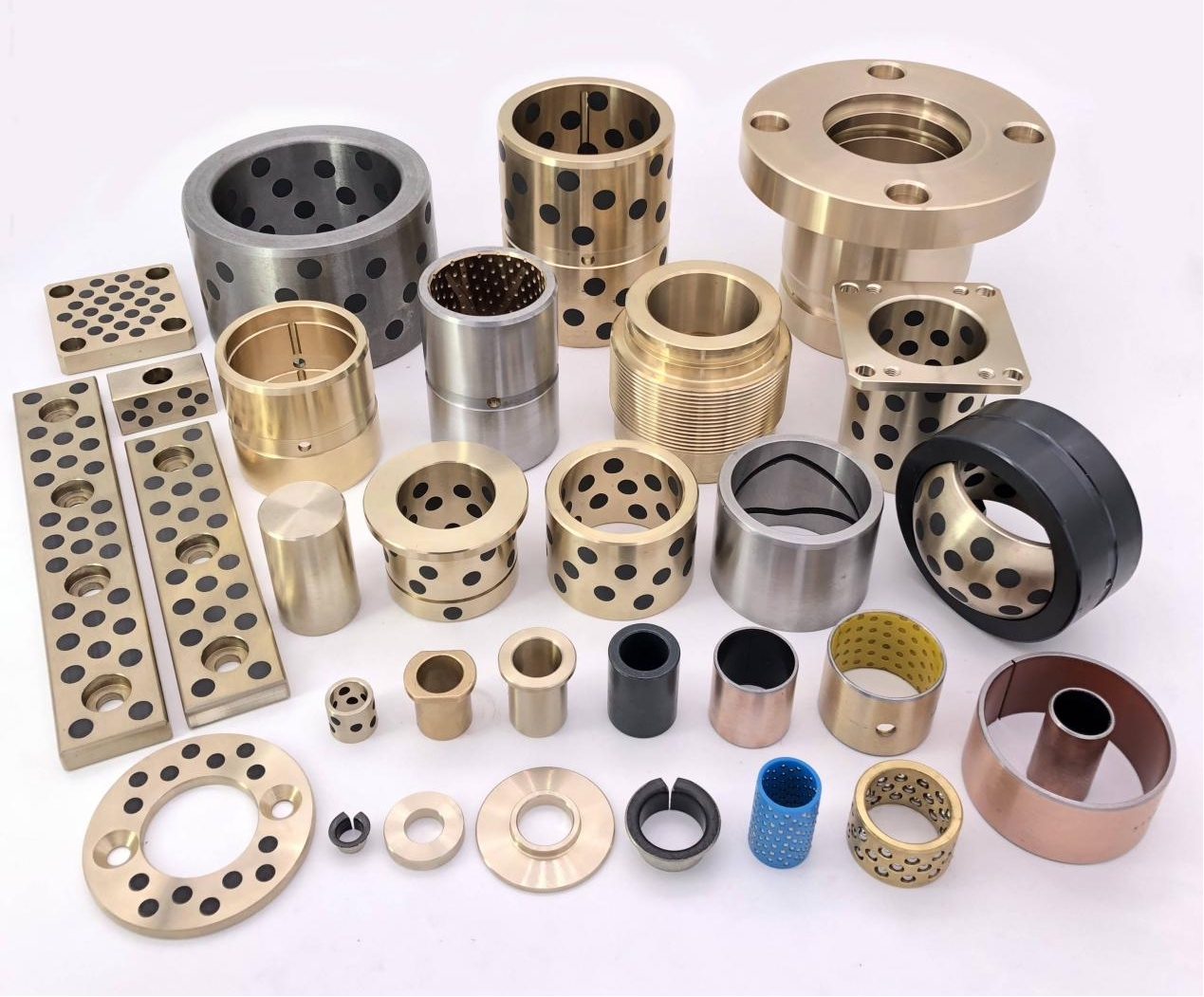
Vòng bi bôi trơn rắn được thiết kế để hoạt động mà không cần bôi trơn liên tục bên ngoài, khiến chúng trở nên lý tưởng cho các môi trường ô tô và hàng không vũ trụ đòi hỏi khắt khe. Bằng cách nhúng chất bôi trơn rắn trực tiếp vào vật liệu ổ trục, các bộ phận này giảm yêu cầu bảo trì, chống mài mòn và hoạt động đáng tin cậy trong điều kiện nhiệt độ khắc nghiệt, tải nặng và điều kiện môi trường khắc nghiệt. Đặc tính độc đáo của chúng khiến chúng trở nên cần thiết trong các ứng dụng mà vòng bi truyền thống có thể bị hỏng hoặc cần bảo dưỡng thường xuyên.
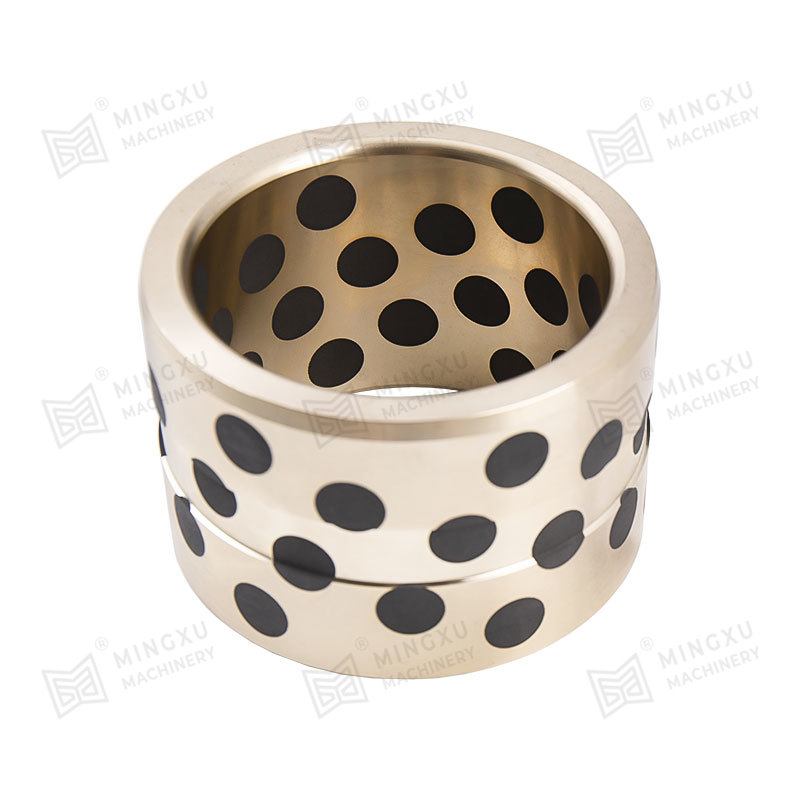
Trong ngành công nghiệp ô tô, vòng bi bôi trơn rắn mang lại nhiều lợi ích về hiệu suất và bảo trì. Khả năng hoạt động mà không cần thêm dầu mỡ giúp giảm nguy cơ ô nhiễm và đơn giản hóa khoảng thời gian lắp ráp và bảo dưỡng. Những vòng bi này cũng góp phần vận hành êm hơn, cải thiện hiệu suất sử dụng nhiên liệu và tuổi thọ linh kiện dài hơn.
Vòng bi bôi trơn rắn được sử dụng rộng rãi trong các hệ thống động cơ và truyền động, nơi thường có nhiệt độ cao, tải nặng và khả năng tiếp cận bôi trơn hạn chế. Các bộ phận như cánh tay đòn, bộ căng đai định thời và bánh cam được hưởng lợi từ đặc tính tự bôi trơn, đảm bảo vận hành êm ái và giảm thiểu mài mòn theo thời gian.
Trong hệ thống treo và hệ thống lái, vòng bi bôi trơn rắn được sử dụng trong tay điều khiển, ống lót và liên kết ổn định. Thiết kế tự bôi trơn của chúng giúp giảm ma sát, tăng cường phản ứng và duy trì hiệu suất trong các điều kiện đường và nhiệt độ khác nhau. Điều này cũng giúp loại bỏ nhu cầu bôi trơn định kỳ, giảm chi phí bảo trì.
Các ứng dụng hàng không vũ trụ yêu cầu vòng bi có thể hoạt động dưới tải trọng cực lớn, biến động nhiệt độ và điều kiện độ cao. Vòng bi bôi trơn rắn đáp ứng các yêu cầu này bằng cách cung cấp khả năng chống mài mòn cao, ma sát thấp và khả năng hoạt động mà không cần bôi trơn thông thường, điều này rất quan trọng đối với sự an toàn và độ tin cậy của chuyến bay.
Vòng bi bôi trơn rắn được sử dụng trong thiết bị hạ cánh máy bay, bộ truyền động và cơ cấu điều khiển. Chúng đảm bảo hoạt động đáng tin cậy trong các giai đoạn quan trọng của chuyến bay, chịu được tải trọng động lớn và duy trì hiệu suất ổn định ở nhiệt độ khắc nghiệt. Đặc tính tự bôi trơn của chúng cũng ngăn ngừa ô nhiễm và giảm thời gian dừng bảo trì giữa các chuyến bay.
Các bề mặt điều khiển máy bay, bao gồm cánh hoa thị, cánh tà và bánh lái, dựa vào các ổ trục được bôi trơn bằng chất rắn để có khớp nối trơn tru. Những vòng bi này xử lý chuyển động tần số cao, chống ăn mòn và hoạt động ở cả nhiệt độ dưới 0 và nhiệt độ cao, đảm bảo khả năng cơ động chính xác và độ tin cậy trong suốt vòng đời của máy bay.
Các vật liệu và thiết kế ổ trục khác nhau được sử dụng tùy thuộc vào tải trọng, tốc độ, nhiệt độ và điều kiện môi trường. Bảng sau đây tóm tắt các loại phổ biến và ứng dụng điển hình của chúng:
| Loại ổ trục | Chất liệu | Các tính năng chính | Ứng dụng điển hình |
| Vòng bi polyme | PTFE hoặc polyme tổng hợp | Tự bôi trơn, ma sát thấp, chống ăn mòn | Ống lót, tay điều khiển, khớp treo |
| Vòng bi kim loại-polymer | Thép hoặc đồng có chất bôi trơn rắn nhúng | Khả năng chịu tải cao, bền bỉ, chịu được nhiệt độ | Thiết bị hạ cánh, bộ truyền động, linh kiện động cơ |
| Vòng bi nhúng than chì | Đồng hoặc thép với chất bôi trơn than chì | Nhiệt độ cao, vận hành khô, chống mài mòn | Bản lề cánh, liên kết điều khiển, vùng nhiệt độ cao |
Việc lựa chọn, lắp đặt và bảo trì đúng cách các vòng bi bôi trơn rắn là rất quan trọng để tối đa hóa lợi ích của chúng trong các ứng dụng ô tô và hàng không vũ trụ. Hãy xem xét các thực hành sau:
Vòng bi bôi trơn rắn rất cần thiết trong kỹ thuật ô tô và hàng không vũ trụ hiện đại, mang lại hiệu suất đáng tin cậy trong điều kiện khắc nghiệt đồng thời giảm nhu cầu bảo trì. Đặc tính tự bôi trơn, độ bền và khả năng hoạt động dưới tải nặng và biến động nhiệt độ khiến chúng trở nên lý tưởng cho động cơ, hệ thống treo, thiết bị hạ cánh và bề mặt điều khiển. Việc kết hợp các vòng bi này giúp nâng cao tuổi thọ của thiết bị, hiệu quả vận hành và độ an toàn, khiến chúng trở thành một thành phần quan trọng trong các dự án kỹ thuật tiên tiến.
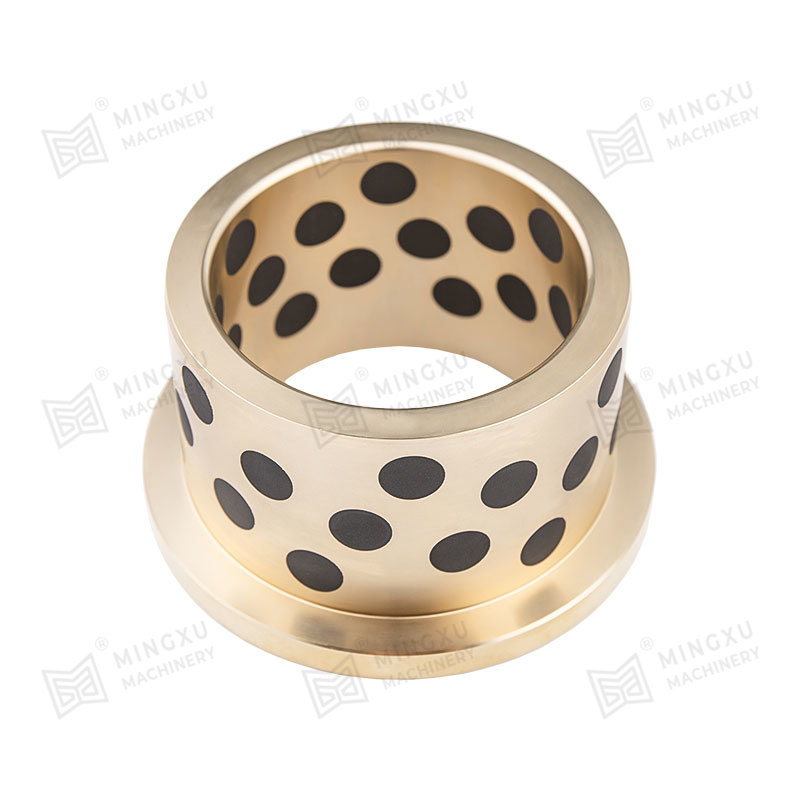
Vòng bi tự bôi trơn MXB-JFB là loại ống lót kiểu vai được thiết kế với đặc tính mặt bích và tự bôi trơn. Nó có độ ma sát thấp, khả năng chịu nhiệt ...
Xem chi tiết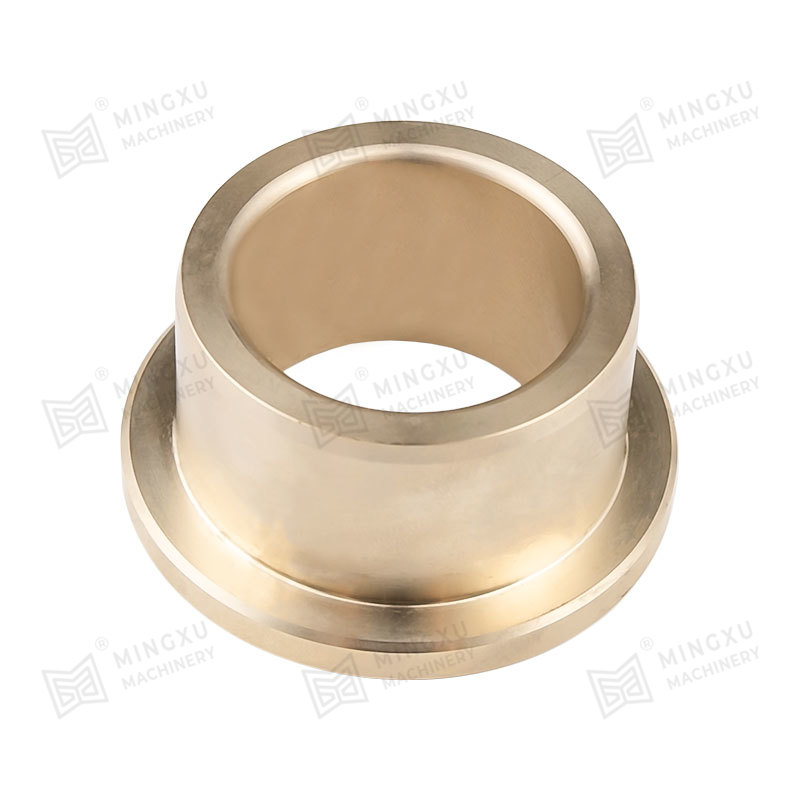
Vòng bi bằng đồng đúc tự bôi trơn MXB-JDBUF kết hợp các ưu điểm của thiết kế mặt bích và tự bôi trơn. Nguyên liệu thô được làm bằng vật liệu đồng đ...
Xem chi tiết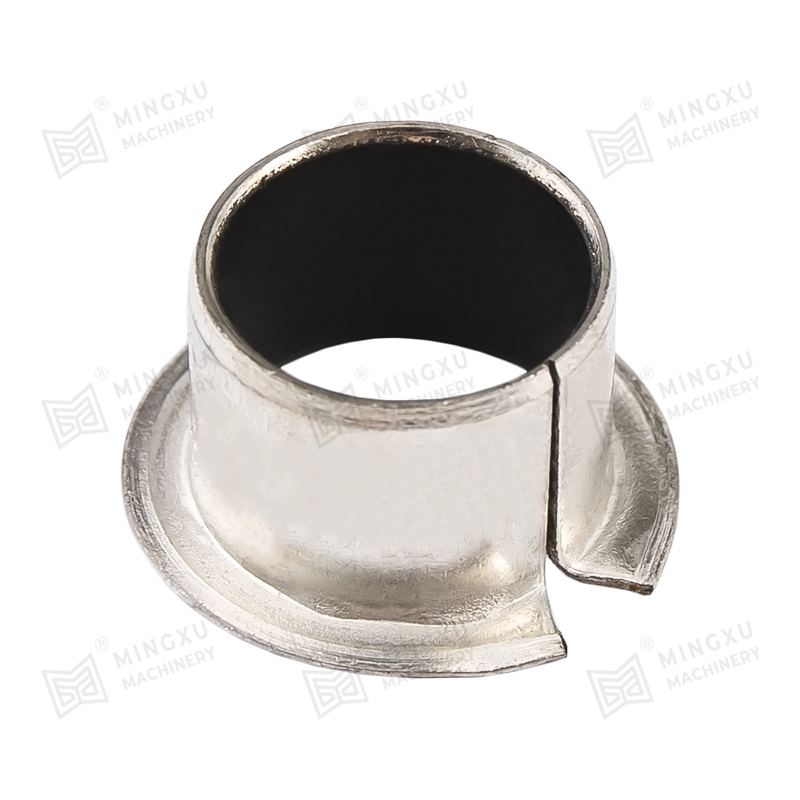
Vòng bi composite không dầu MXB-DUF, còn được gọi là ống lót SF-1F, là loại ổ trục trượt cán có tấm thép làm đế, bột đồng hình cầu thiêu kết ở giữa...
Xem chi tiết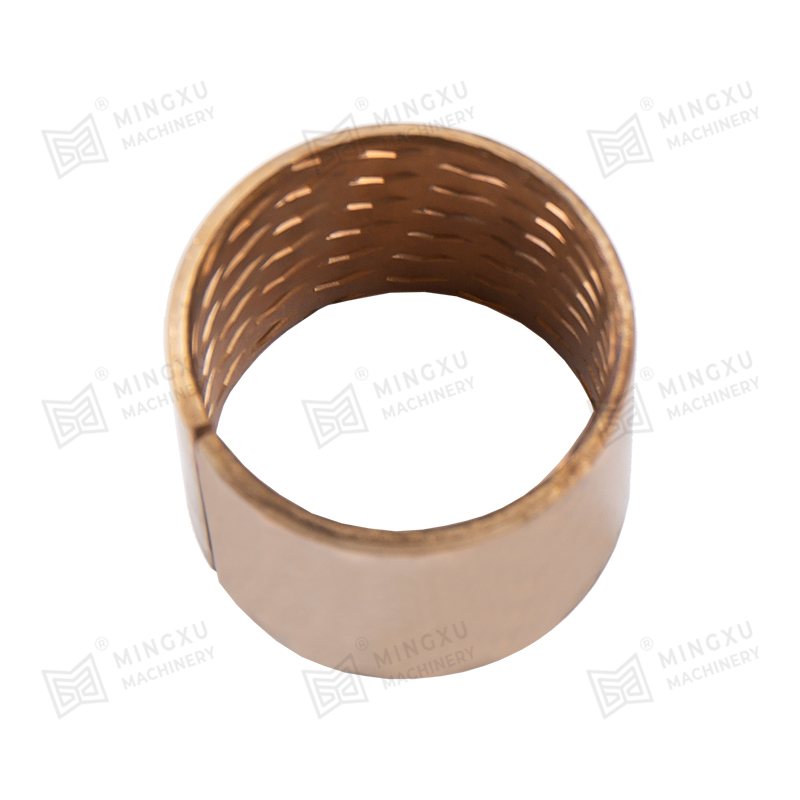
Vòng bi cuộn bằng đồng MXB-FB090 là loại vòng bi tiết kiệm với khả năng chịu tải cao và chống mài mòn tốt được cuộn từ đồng CuSn8. Bề mặt làm việc ...
Xem chi tiết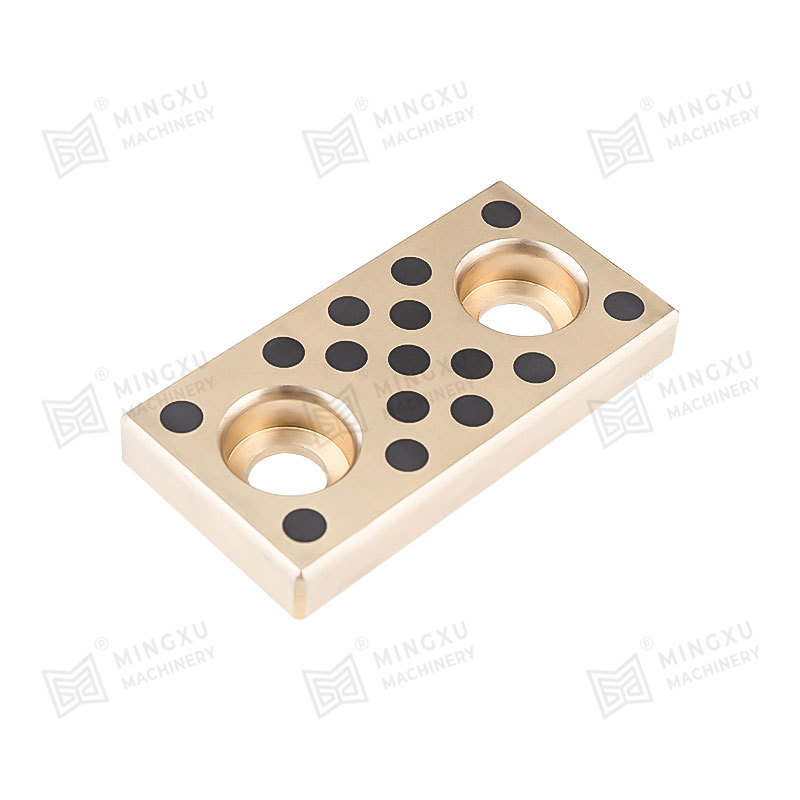
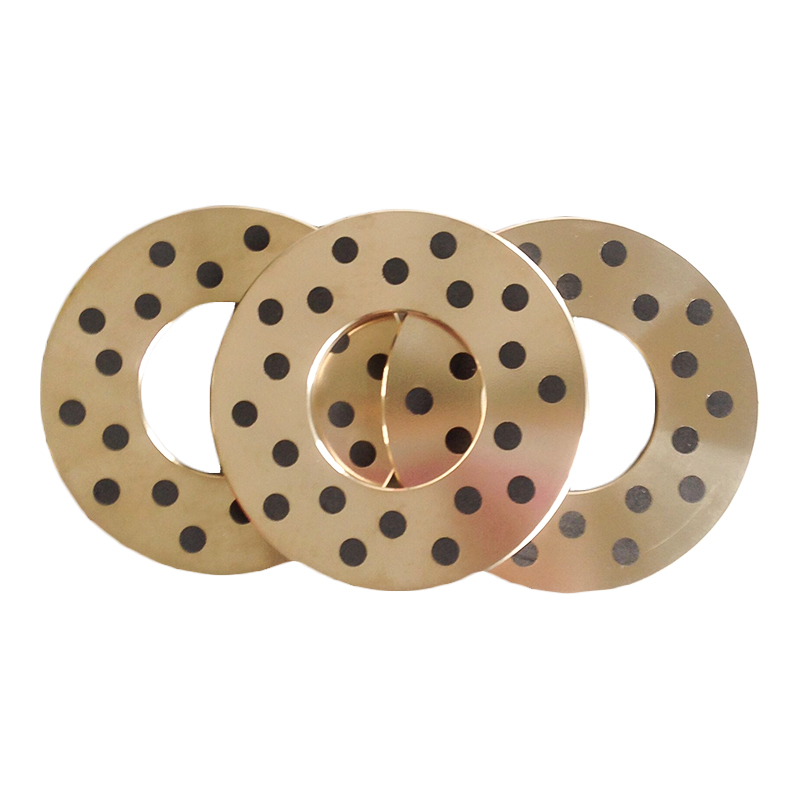
Tấm mài mòn tự bôi trơn MXB-JOLP có đặc tính tự bôi trơn tốt và không cần bôi trơn bên ngoài. Sản phẩm này có khả năng chịu tải và chống mài mòn tố...
Xem chi tiết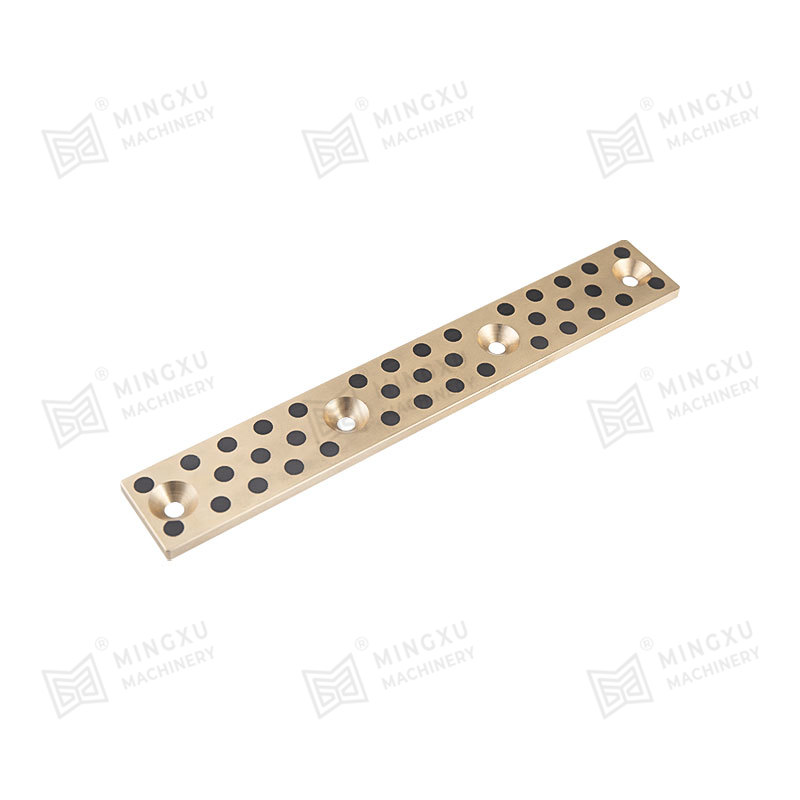
Tấm chống mài mòn tự bôi trơn MXB-JTLP có thể cung cấp các sản phẩm tiêu chuẩn có chiều rộng từ 18mm đến 68mm và chiều dài từ 100mm đến 220mm. Nó c...
Xem chi tiết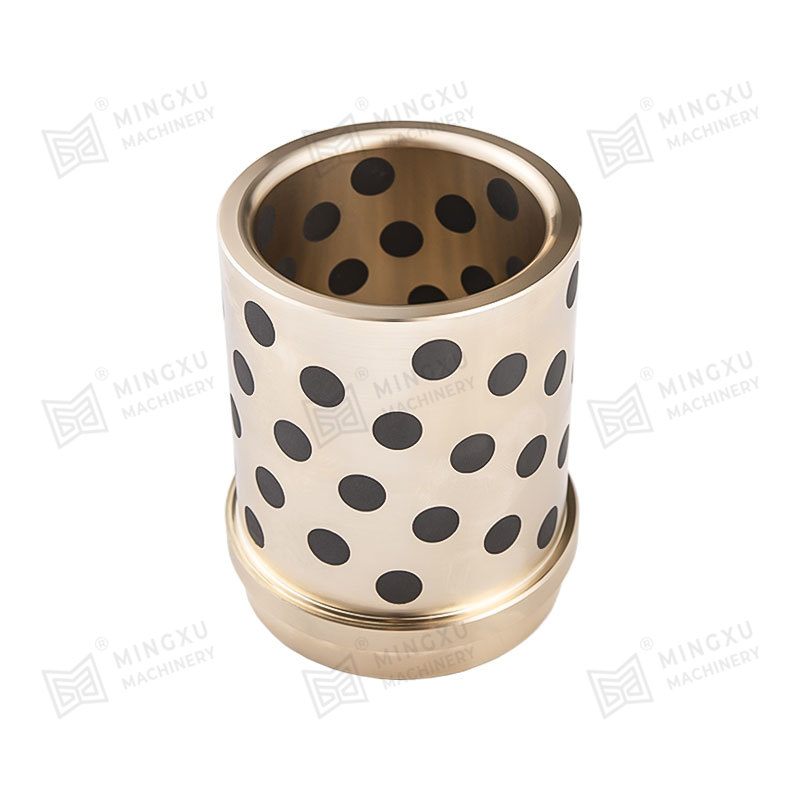
Ống lót dẫn hướng tiêu chuẩn MGB9834 DIN9834 tuân thủ tiêu chuẩn DIN9843 và phù hợp với khuôn dập ô tô Châu Âu. Nó được thiết kế để cung cấp hướng ...
Xem chi tiết
Dẫn hướng tròn thường được sử dụng trong khuôn tấm ô tô và khuôn dập lớn. Các thanh dẫn hướng đế khuôn và tấm dỡ thường sử dụng ống lót dẫn hướng t...
Xem chi tiết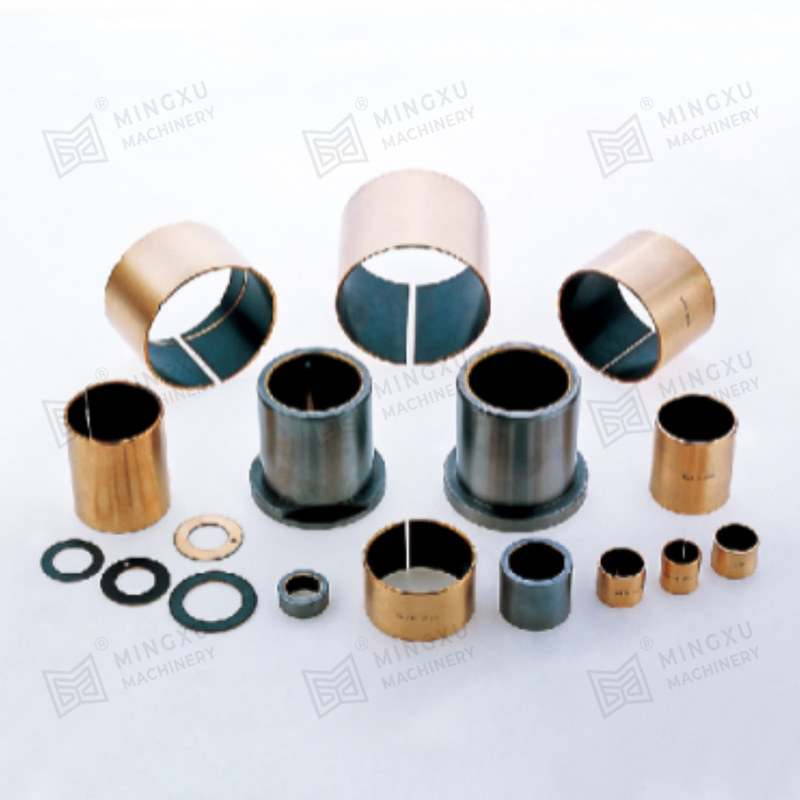
Vòng bi cơ bản bằng đồng SF-1B được làm bằng đồng thiếc làm đế, bột hình cầu bằng đồng thiêu kết ở giữa, và các vật liệu làm đầy chịu nhiệt độ cao ...
Xem chi tiết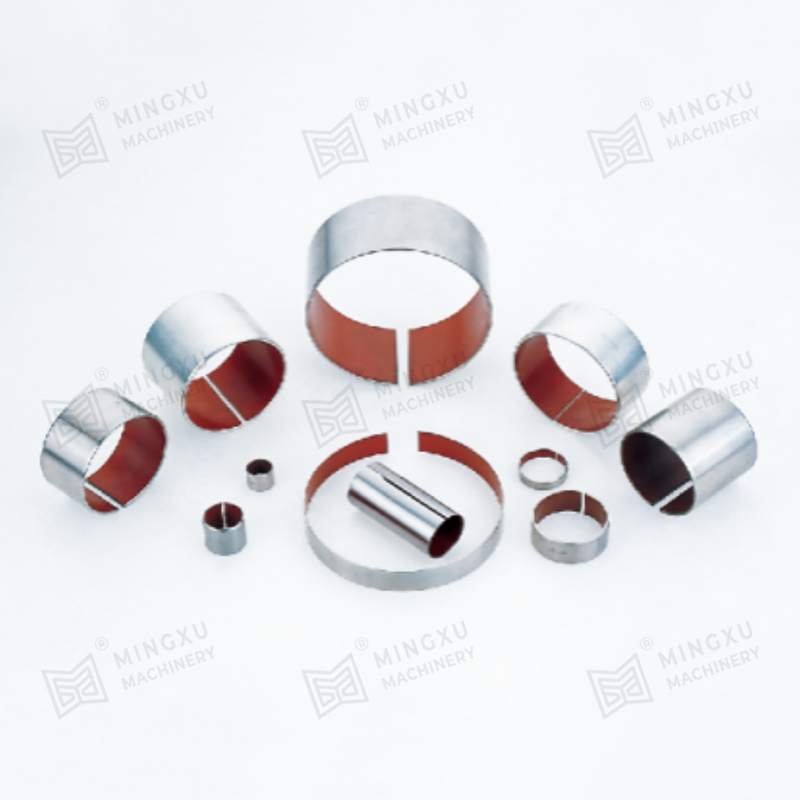
SF-1SS is a highly corrosion-resistant and wear-resistant bearing made of stainless steel as the base material and PTFE sprayed on the surface. This m...
Xem chi tiết
 Tel: +86-159-5833-7435
 E-mail: [email protected]


Liên hệ chúng tôi